Why Some of the Best Safaris Happen Inside Protected Concessions
Many people imagine the best safari experiences taking place in the biggest and most famous national parks. In reality, some of the most remarkable wildlife encounters often happen inside protected concessions managed by high-quality lodges and camps.
These areas are usually located within larger conservation landscapes but operate with strict limits on visitor numbers and vehicle access. Most of the lodges in these concessions are luxury camps or boutique properties that work closely with conservation authorities to maintain a low-impact presence.
The result is a safari experience that often feels calmer, more intimate, and far less crowded than many travelers expect.
Why Wildlife Behavior Feels Different
One of the first things that surprises many visitors in these environments is how relaxed the animals can appear.
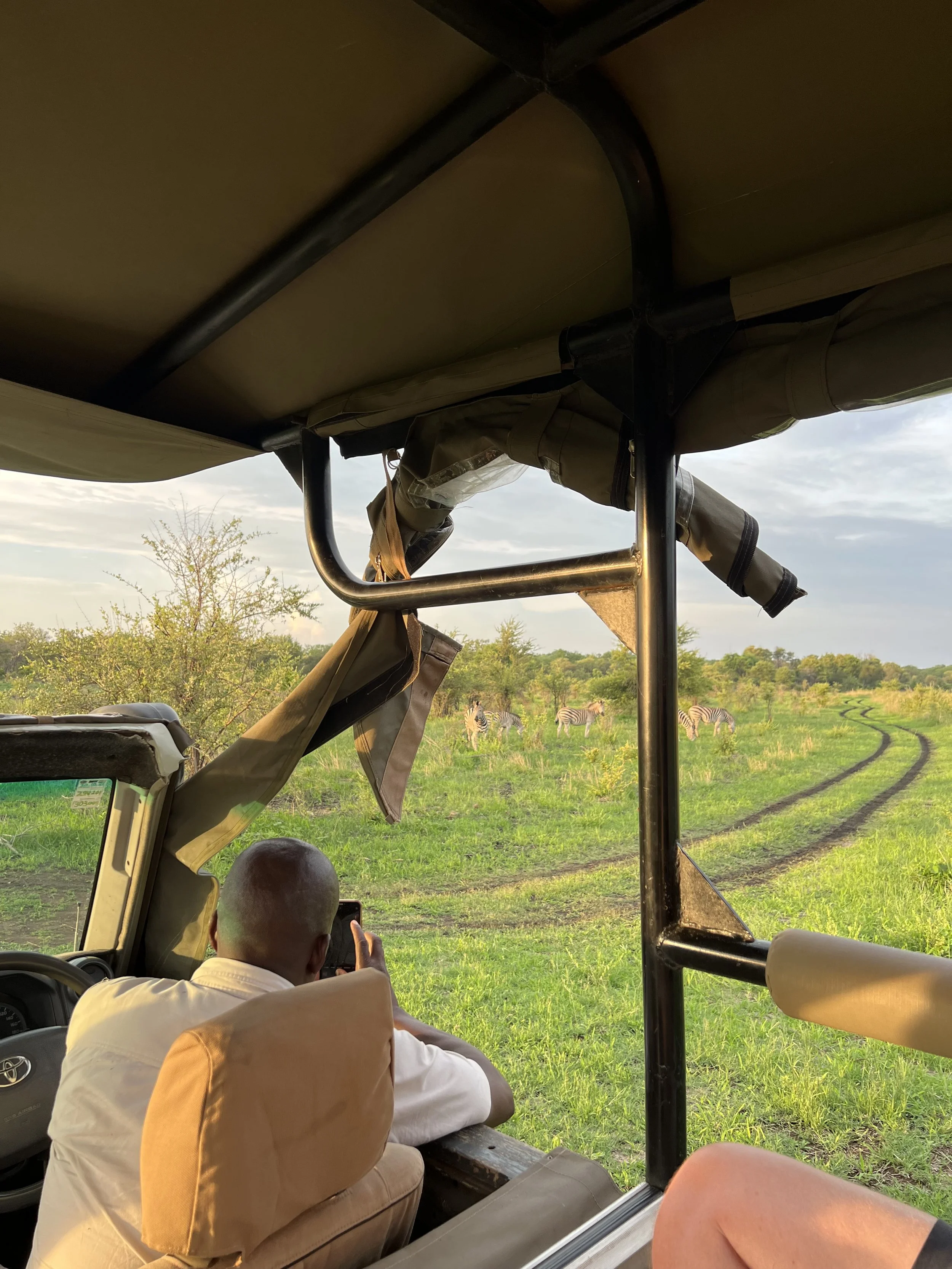
In areas where tourism is carefully controlled, wildlife is not constantly surrounded by vehicles, noise, or large groups of visitors. Instead, encounters tend to happen with far fewer cars and at a slower pace.
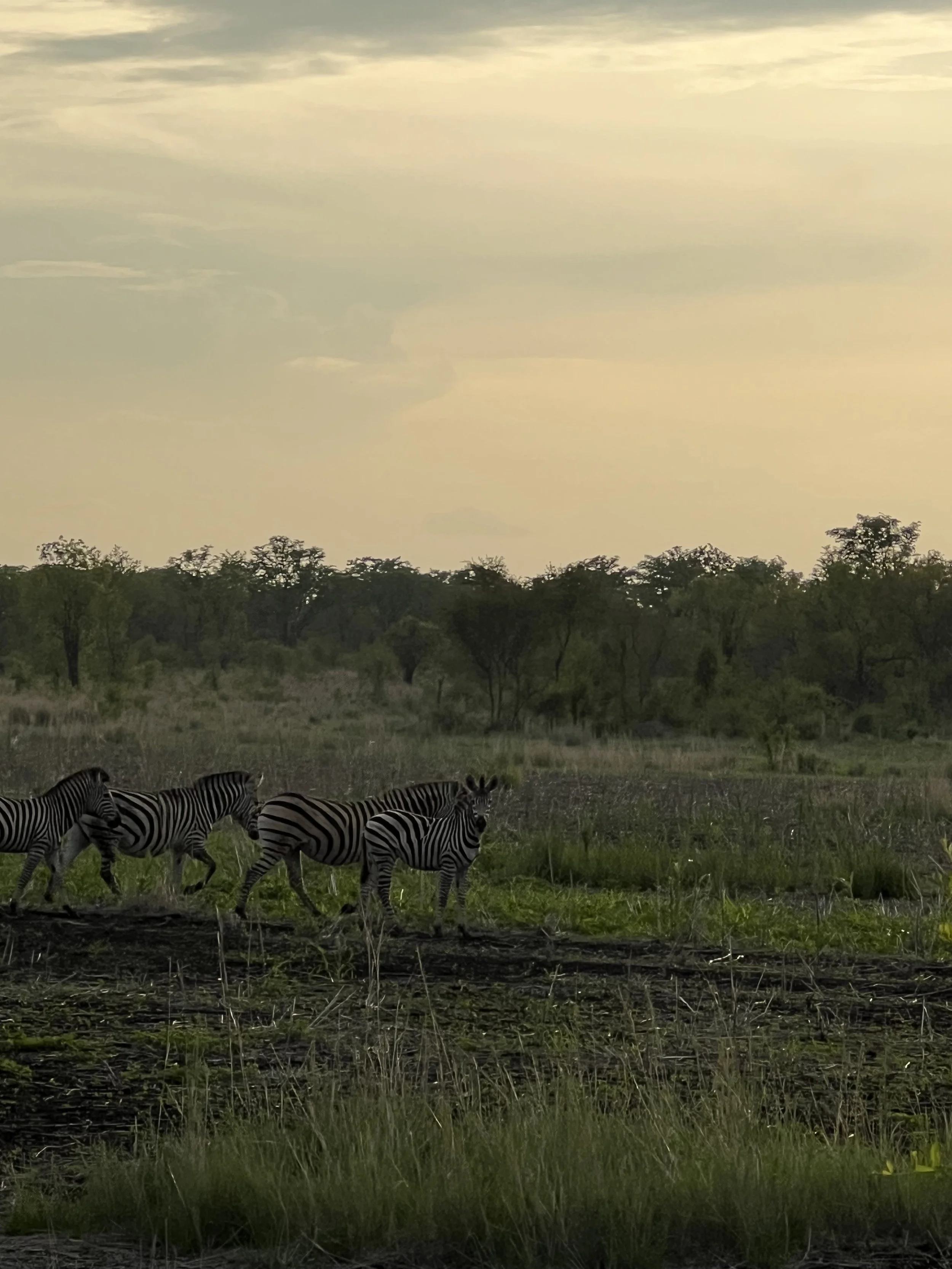
Animals remain completely wild, of course. But because they are not repeatedly pressured by large crowds of vehicles, they often behave more naturally.
Elephants continue feeding rather than immediately moving away.
Lions rest quietly even when a vehicle is nearby.
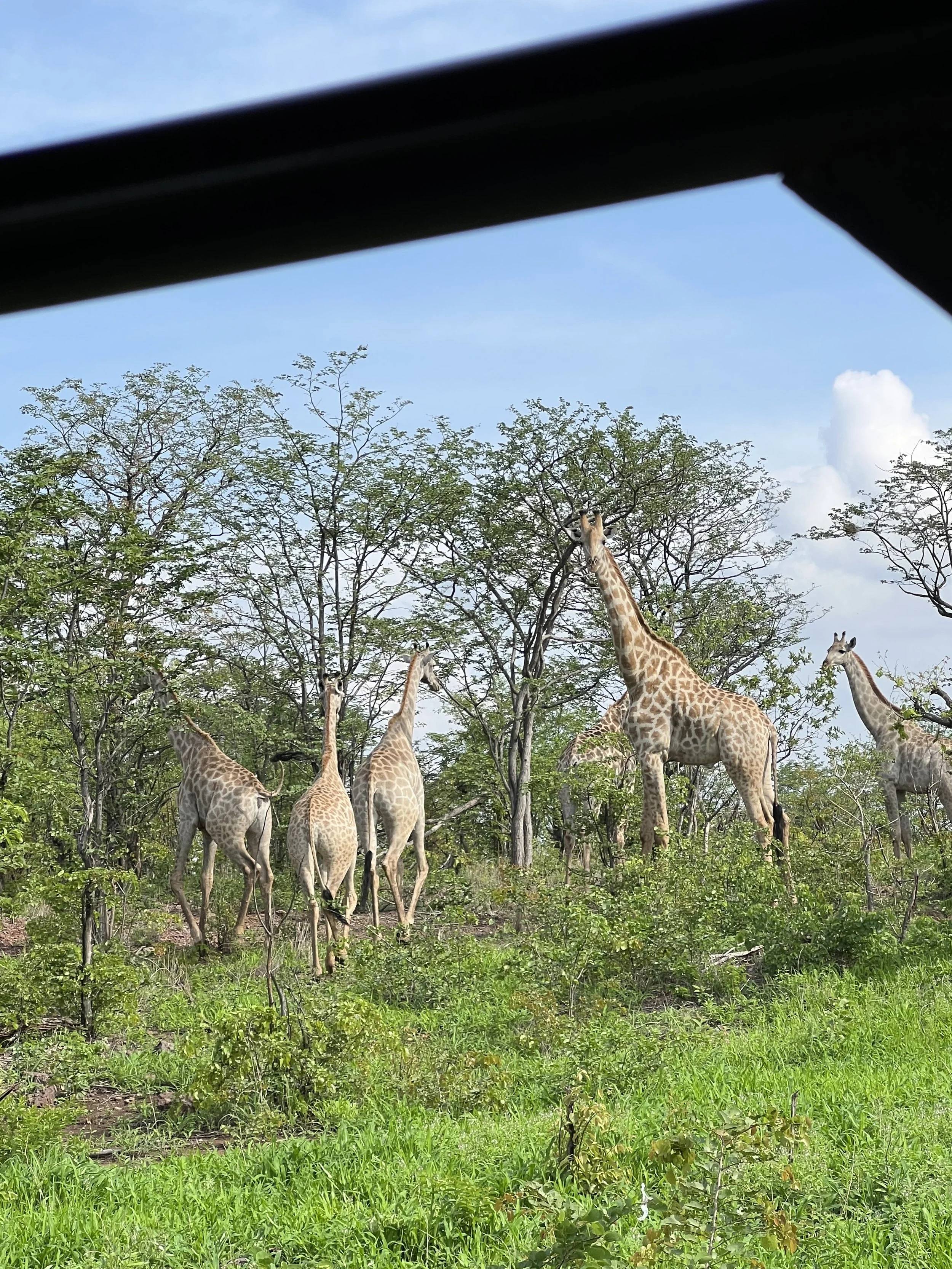
Giraffes may cross the road slowly instead of disappearing into the bush.
The atmosphere in the landscape feels different — calmer, quieter, and closer to how the ecosystem functions without constant disturbance.
Why Guides Often Do Not Carry Weapons
Another detail that surprises many first-time safari travelers is that guides in many luxury concessions do not carry firearms during game drives.
This is not because wildlife is harmless. It is because the environment is managed in a way that reduces unnecessary risk.
In protected concessions:
visitor numbers are limited
guides are highly trained
vehicle behavior around animals follows strict protocols
wildlife is accustomed to the predictable presence of safari vehicles
Because encounters are controlled and respectful of the animals’ space, there is usually no need for weapons during normal drives.
The goal is not control, it is coexistence.
What This Means for the Safari Experience
When these elements come together —controlled visitor numbers, experienced guiding teams, and carefully managed ecosystems — the safari experience changes in subtle but important ways.
Sightings often feel calmer and more immersive. Guides can spend longer observing animal behavior without the pressure of many vehicles arriving at once. The overall rhythm of the day becomes slower and more observational.
Instead of briefly stopping at a crowded sighting, you may spend twenty minutes quietly watching a pride of lions interact or observing elephants moving across the landscape.
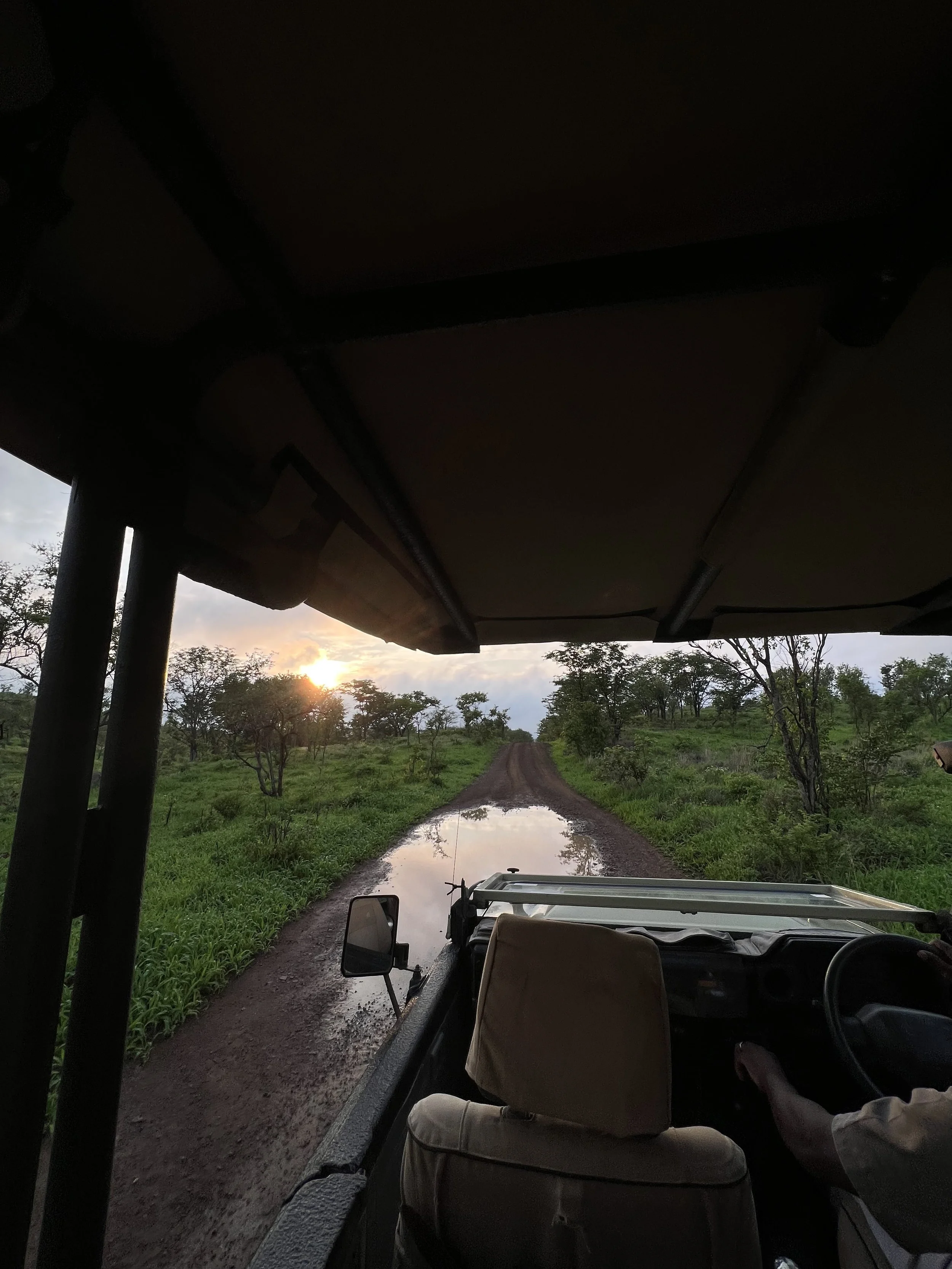
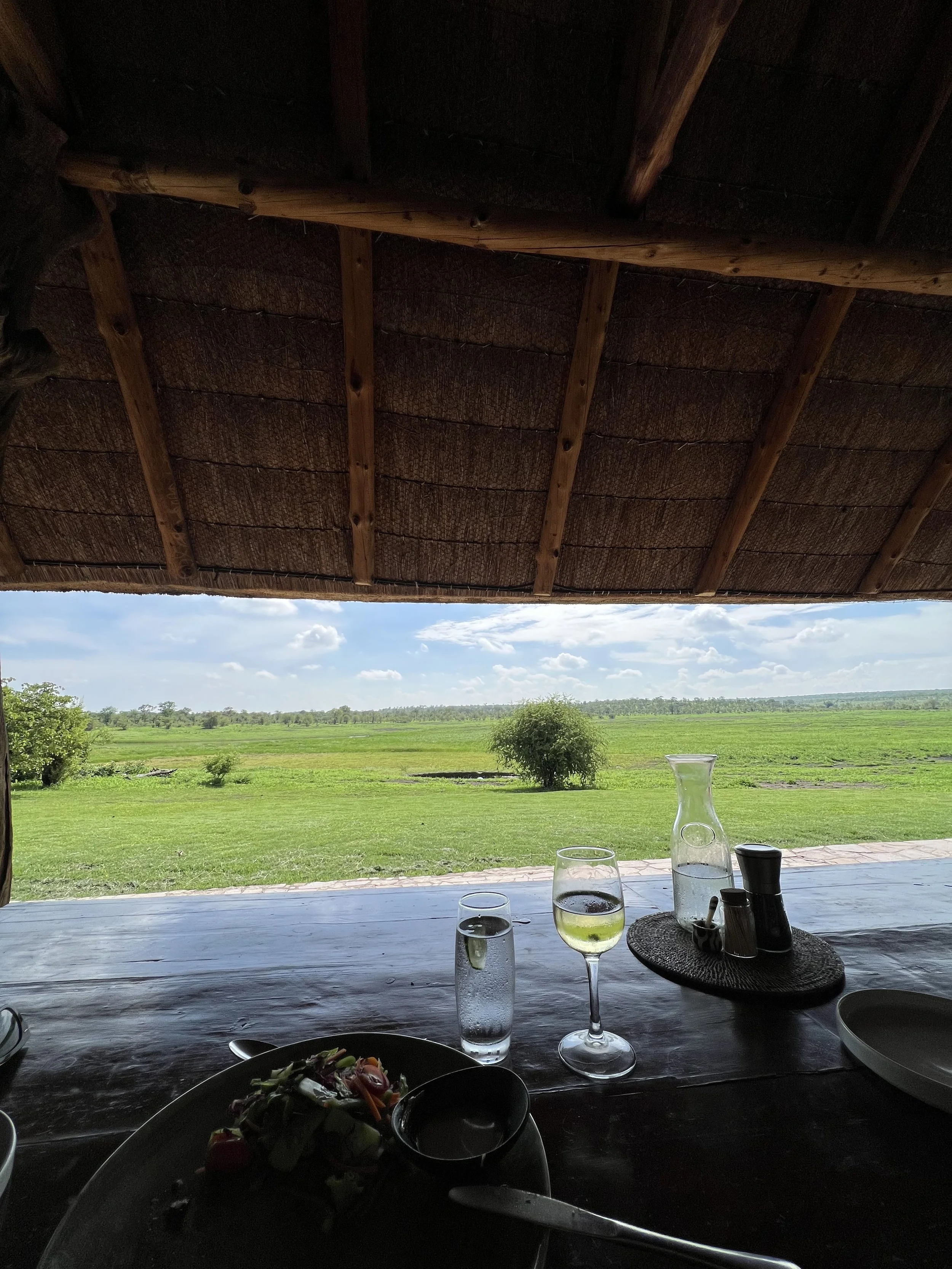
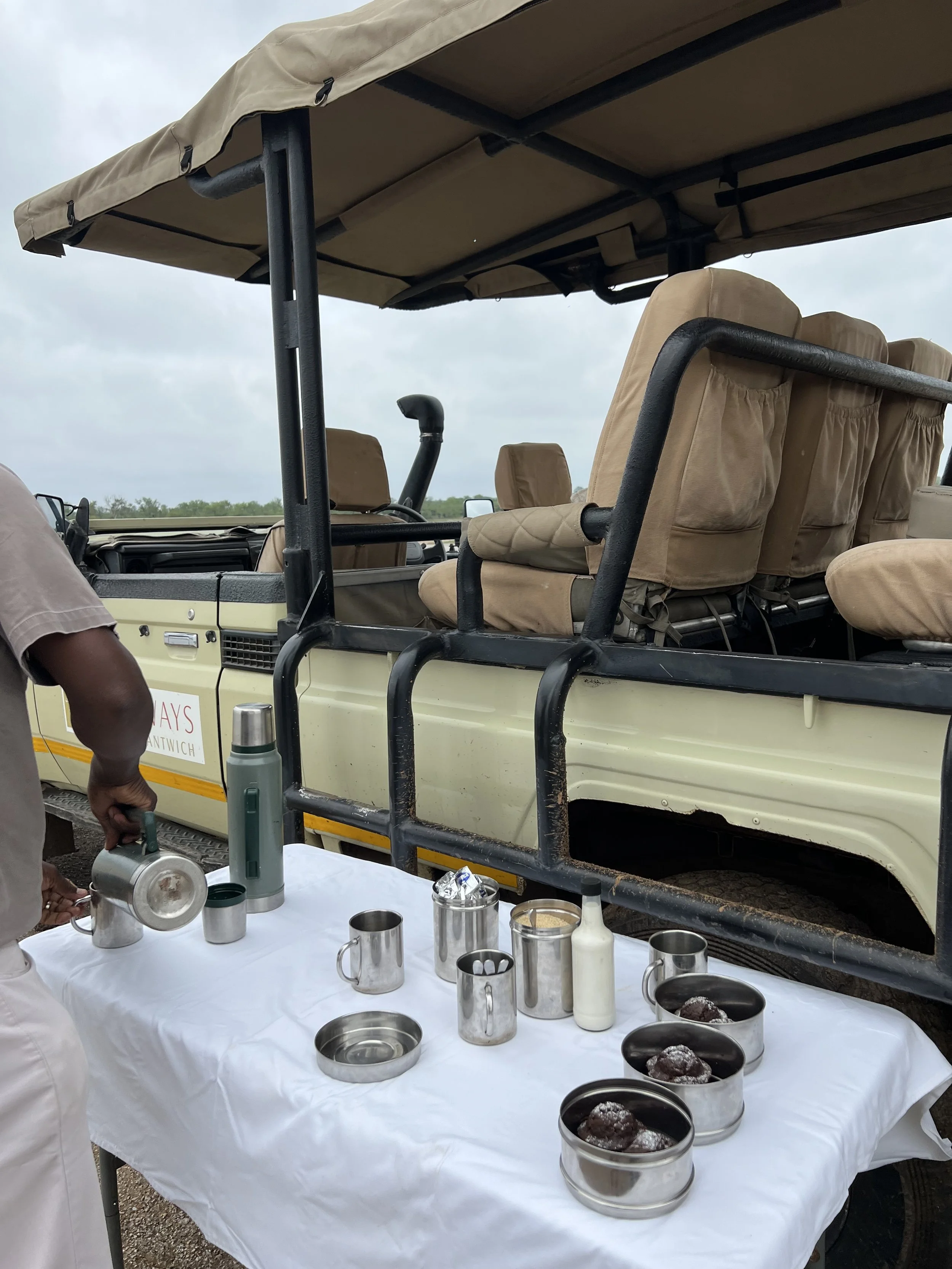
There is also space for moments that become part of the experience itself. Morning drives often pause for breakfast or coffee in the bush, sometimes with nothing but open savanna stretching endlessly in front of you. Sitting there with a hot cup of coffee as the sun rises over the landscape, with the quiet of the bush around you, is often one of the most memorable parts of the morning.
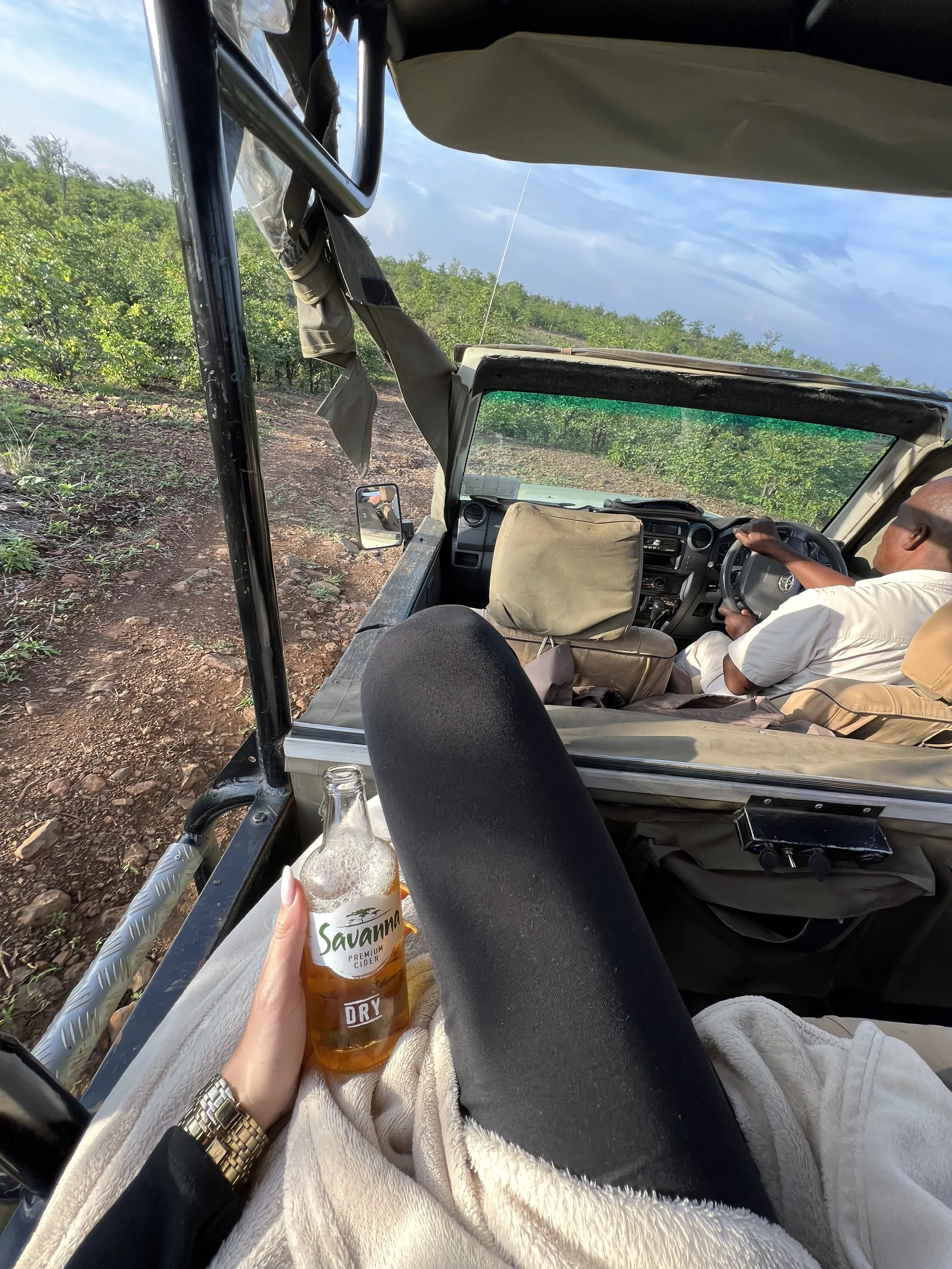
In the afternoon, drives may pause again for a drink as the light softens and the horizon turns gold. Watching the sun set over the savanna, with wildlife still moving in the distance, is a moment that stays with people long after the journey ends.
That change in pace is often what travelers remember most.
Planning Still Matters
Even when staying in an exceptional lodge, the structure of the safari still matters.
Several practical factors shape the experience:
Season
Wildlife viewing is often easiest during the dry months, when water becomes scarce and animals gather more predictably around rivers, waterholes, and remaining vegetation. During the rainy season the landscape becomes greener and more dramatic, but animals disperse more widely and sightings can be less concentrated.
Region
Different ecosystems offer very different wildlife experiences. Some areas are known for large elephant populations, others for predator density, wetlands ecosystems, or migration routes. Choosing the right region for the animals you hope to see can make a significant difference.
Early mornings
Game drives typically begin at sunrise, when temperatures are cooler and wildlife activity is highest. Predators are often still active, and the bush is quieter before the heat of the day arrives.
Preparation
Despite the warm climate many people imagine, early drives can be surprisingly cold. Open vehicles, wind, and pre-sunrise temperatures make a noticeable difference, so bringing a warm layer is always recommended.
These small details often define how comfortable and rewarding the safari feels.
What Makes a Safari Truly Special
The best safaris are rarely about seeing the largest number of animals.
They are about the quality of the encounters.
A quiet moment watching elephants cross a dry riverbed.
A pride of lions resting in the morning sun.
The stillness of the bush just after sunrise.
Protected concessions — especially those managed by experienced luxury lodges — allow these moments to unfold naturally.
Fewer vehicles.
Less pressure.
More space for wildlife to behave as it should.
And that is often where the real magic of safari happens.